Technology is evolving faster than ever, changing the way people work, communicate, learn, and solve everyday problems. From intelligent software to connected devices and advanced security systems, innovation is shaping every industry. Businesses, students, professionals, and consumers all benefit from staying informed about technology news, as it helps them understand what is changing and how those changes may affect the future.
This guide explores the biggest developments expected in 2026, explains why they matter, and highlights the innovations that are driving global progress. Rather than focusing on short-lived headlines, this article provides lasting insights into the technologies that are transforming modern life.
Why Following Technology Developments Matters
Technology is no longer limited to the IT industry. It now influences healthcare, education, manufacturing, transportation, retail, agriculture, finance, and entertainment. Every major sector depends on digital tools to improve productivity, increase efficiency, and deliver better customer experiences.
Keeping yourself informed offers several benefits:
- Understand new innovations before they become mainstream.
- Prepare for changes in the workplace.
- Discover emerging career opportunities.
- Make informed purchasing decisions.
- Improve cybersecurity awareness.
- Adapt quickly to changing business environments.
Whether you are a business owner, student, developer, or technology enthusiast, learning about innovation helps you stay competitive in a rapidly changing world.
Technology News 2026: What Is Driving Innovation?
The biggest stories in technology news this year are not defined by a single invention. Instead, multiple technologies are advancing together, creating smarter and more connected digital ecosystems.
Several factors are accelerating innovation:
- Artificial intelligence becoming part of everyday software
- Faster cloud-based services
- Increased investment in cybersecurity
- Expansion of smart automation
- Growth of sustainable computing
- Better internet infrastructure worldwide
These developments are helping organizations operate more efficiently while providing better experiences for users.
The Rise of Artificial Intelligence in Everyday Life
Artificial intelligence has gone beyond research labs and big tech companies. It is now integrated into productivity software, customer support, healthcare systems, education platforms, finance, and creative industries.
How AI Is Transforming Daily Activities
Modern AI systems can now:
- Generate written content
- Analyze large datasets
- Assist medical professionals
- Improve language translation
- Enhance customer service
- Automate repetitive business tasks
These capabilities allow organizations to save time while improving decision-making.
AI Is Becoming More Responsible
As AI adoption grows, governments and organizations are paying greater attention to responsible development. Transparency, privacy, fairness, and ethical use are becoming important priorities when designing intelligent systems.
Recent AI news also highlights increased investment in explainable AI models that help users understand how automated decisions are made, improving trust and accountability.
Emerging Technologies Reshaping Industries
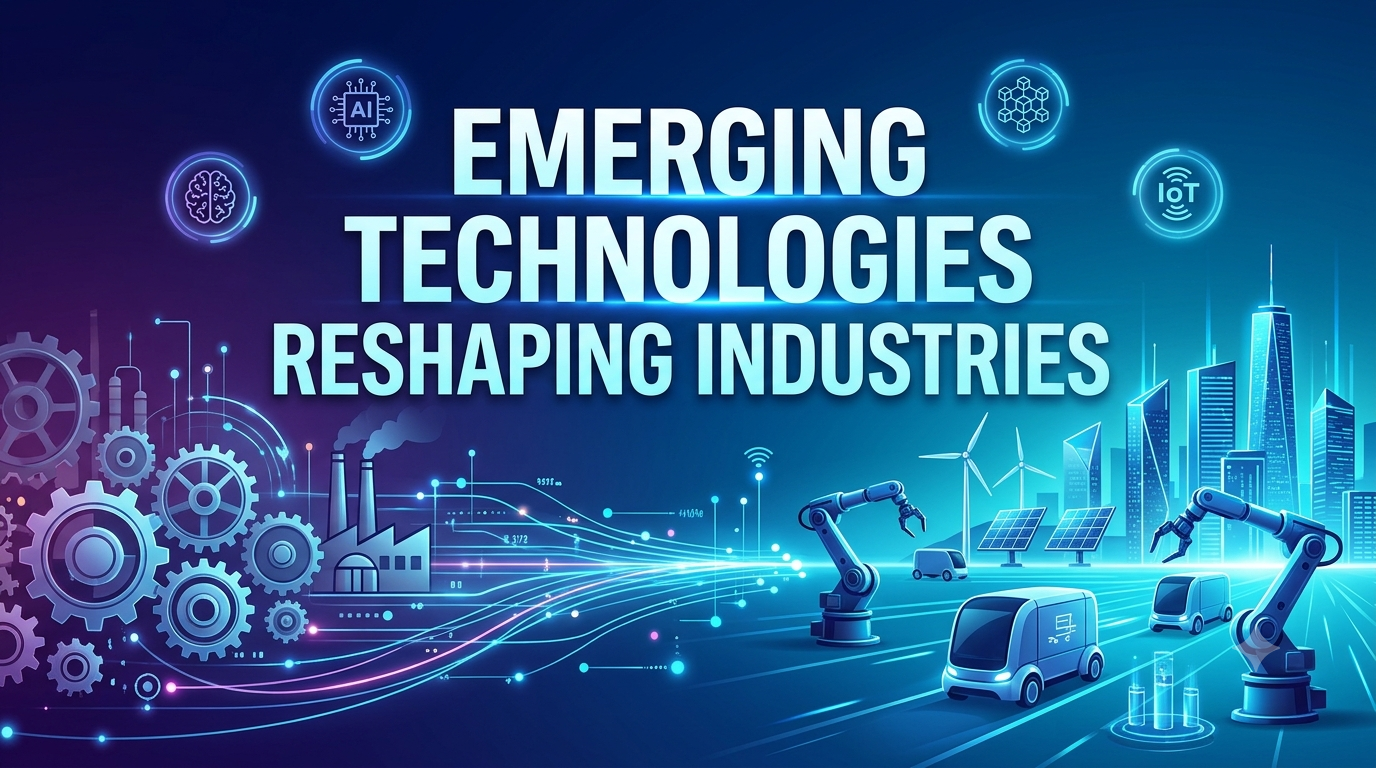
Innovation is no longer driven by one breakthrough alone.Multiple technologies are developing at the same time, creating chances in various sectors.
Some of the most impactful new technologies include:
Internet of Things (IoT)
Connected devices allow businesses and households to monitor equipment, reduce energy consumption, and automate routine processes.
Quantum Computing
Although still developing, quantum computing promises enormous improvements in solving highly complex scientific and industrial problems.
Edge Computing
Instead of processing information in distant data centers, edge computing performs calculations closer to the user, reducing delays and improving efficiency.
Extended Reality (XR)
Virtual reality and augmented reality are also increasingly finding a place in education, healthcare, engineering and workplace collaboration.
Together, these technologies are creating smarter digital environments that improve productivity and user experiences.
Digital Transformation Is Becoming a Business Priority
Organizations of every size are investing in digital transformation to modernize operations and remain competitive.
Rather than replacing employees, technology is helping teams work more efficiently by automating repetitive processes and improving collaboration.
Examples include:
- Paperless workflows
- Cloud-based collaboration tools
- Intelligent customer support systems
- Automated inventory management
- Digital payment platforms
- Real-time business analytics
Companies that successfully embrace digital transformation often respond more quickly to market changes while delivering better services to customers.
Cloud Computing Continues to Expand
Cloud technology has become the backbone of today’s digital infrastructure. Businesses increasingly rely on cloud platforms because they provide flexibility, scalability, and cost efficiency.
The latest news on cloud computing indicates that organizations are extending cloud environments to support remote employment, data storage, artificial intelligence applications, and global collaboration.
Key Advantages of Cloud Platforms
Improved Scalability
Businesses can increase or reduce computing resources whenever demand changes.
Enhanced Collaboration
Employees can securely access files and applications from almost anywhere.
Better Disaster Recovery
Cloud providers maintain backup systems that help organizations recover quickly after unexpected disruptions.
Lower Infrastructure Costs
Companies can reduce expenses associated with maintaining physical servers while focusing more on innovation.
Cloud adoption continues to grow because it allows organizations to respond quickly to changing business requirements.
Cybersecurity Is More Important Than Ever
As technology becomes increasingly connected, protecting digital assets has become a top priority.
Individuals and organizations face evolving threats, including:
- Phishing attacks
- Ransomware
- Identity theft
- Data breaches
- Malware
- Social engineering scams
Current cybersecurity news emphasizes that strong security practices are just as important as advanced technology solutions.
Best Practices for Staying Secure
Organizations should focus on:
- Multi-factor authentication
- Regular software updates
- Employee awareness training
- Strong password policies
- Continuous network monitoring
- Secure data backups
Individuals should also remain cautious when sharing personal information online and avoid clicking suspicious links or downloading unknown files.
Technology Is Changing Healthcare
Healthcare continues benefiting from rapid technological innovation.
Hospitals and medical professionals now use intelligent systems for:
- Faster diagnostics
- Patient monitoring
- Medical imaging
- Electronic health records
- Remote consultations
- Predictive healthcare analytics
Wearable devices also allow individuals to monitor heart rate, sleep quality, physical activity, and other health indicators in real time.
These advancements improve patient outcomes while helping healthcare providers deliver more personalized care.
Education Is Becoming More Digital
Educational institutions are increasingly adopting modern digital learning tools.
Students now benefit from:
- Interactive virtual classrooms
- Personalized learning platforms
- AI-assisted tutoring
- Digital assessments
- Cloud-based collaboration
- Remote education opportunities
Teachers also gain access to analytics that help identify learning gaps and improve instructional strategies.
As educational technology continues evolving, learning becomes more flexible, engaging, and accessible for students around the world.
Software Development Continues to Evolve
The demand for modern applications continues to grow as businesses invest in better digital experiences for customers and employees. Developers are now expected to build software that is secure, scalable, and easy to maintain while delivering updates more quickly than ever before.
Recent software development news shows a strong shift toward automation, collaborative development environments, and intelligent coding assistants that help teams improve productivity without sacrificing quality.
Modern Development Practices
Today’s software teams commonly adopt practices such as:
- Agile project management
- Continuous Integration and Continuous Deployment (CI/CD)
- DevOps collaboration
- Automated testing
- API-first development
- Containerized applications
These approaches enable organizations to deliver reliable software faster while responding quickly to customer feedback.
The Importance of Developer Skills
Technology changes rapidly, making continuous learning essential. Professionals who stay updated with new programming languages, cloud platforms, automation tools, and security practices remain competitive in an evolving job market.
Companies are also investing more in employee training to ensure development teams can work with modern architectures and emerging digital solutions.
Smart Devices Are Creating Connected Ecosystems
The number of connected devices continues to increase across homes, workplaces, factories, and cities. Smart ecosystems improve convenience while enabling better decision-making through real-time data collection.
Examples include:
- Smart home automation
- Connected manufacturing equipment
- Intelligent traffic management
- Digital healthcare monitoring
- Smart agriculture solutions
- Energy-efficient buildings
These connected systems help reduce costs, improve efficiency, and enhance user experiences through automation and predictive analytics.
Sustainable Technology Is Becoming a Global Priority
Technology companies are increasingly focusing on sustainability alongside innovation. Organizations recognize that digital growth should also support environmental responsibility.
Key initiatives include:
Energy-Efficient Data Centers
Modern facilities use advanced cooling systems and renewable energy sources to reduce electricity consumption.
Eco-Friendly Hardware
Manufacturers are designing products with recyclable materials and longer life cycles to reduce electronic waste.
Green Software Engineering
Developers are optimizing applications to consume fewer computing resources, helping lower overall energy usage.
Smarter Resource Management
Artificial intelligence and analytics help businesses monitor energy consumption and improve operational efficiency.
Sustainable innovation benefits both organizations and society by balancing technological progress with environmental responsibility.
How Businesses Can Prepare for Future Technology Changes
Keeping pace with innovation requires more than purchasing new software. Organizations need a long-term strategy that combines technology, people, and processes.
Build a Learning Culture
Encourage employees to continuously update their technical knowledge through certifications, workshops, and hands-on experience.
Invest in Cyber Resilience
Security should be integrated into every stage of technology planning rather than treated as an afterthought.
Modernize Infrastructure
Legacy systems often limit innovation. Upgrading infrastructure allows organizations to adopt modern digital services more effectively.
Use Data for Better Decisions
Reliable analytics enable leaders to identify opportunities, reduce risks, and improve customer experiences.
Focus on Customer Value
Technology investments should always solve real problems and create meaningful benefits for users instead of following trends without purpose.
Consumer Technology Continues to Improve Everyday Life
Innovation isn’t limited to businesses. Consumers are experiencing technology improvements in nearly every aspect of daily living.
Some notable areas include:
Smarter Personal Devices
Smartphones, tablets, laptops, and wearable devices continue becoming more powerful while improving battery life, security, and user experience.
Intelligent Home Solutions
Voice assistants, smart lighting, connected appliances, and automated security systems provide greater convenience and energy efficiency.
Better Digital Entertainment
Streaming platforms, gaming technologies, and immersive experiences continue delivering higher-quality content with improved personalization.
Faster Connectivity
High-speed internet and expanding wireless infrastructure enable smoother communication, remote work, online education, and digital collaboration worldwide.
Challenges That Come with Rapid Innovation
While technology creates exciting opportunities, it also introduces important challenges that individuals, businesses, and governments must address.
Some of the most significant concerns include:
- Protecting personal privacy
- Managing ethical AI development
- Preventing cybercrime
- Reducing misinformation
- Addressing digital inequality
- Closing technology skills gaps
Successfully overcoming these challenges requires collaboration between policymakers, technology companies, educators, cybersecurity professionals, and users.
Responsible innovation remains essential for building trust and ensuring long-term benefits.
What Professionals Should Watch Throughout 2026
Technology continues evolving at a remarkable pace. Professionals across every industry should pay close attention to the following developments throughout the year:
- Increased integration of artificial intelligence into workplace applications.
- Greater investment in cybersecurity and privacy protection.
- Expansion of cloud-native business operations.
- Growth in automation across manufacturing and service industries.
- Stronger regulations surrounding data protection and responsible AI.
- Wider adoption of smart infrastructure in cities and transportation.
- Continued improvements in healthcare technology and digital education.
These changes will influence hiring trends, business strategies, investment priorities, and customer expectations for years to come.
Staying Informed in a Rapidly Changing Digital World
Reliable information is one of the most valuable resources in today’s digital economy. Rather than reacting to every headline, readers should focus on understanding long-term innovation patterns and their practical impact.
Following trusted sources, learning new digital skills, and evaluating technologies based on real-world value can help individuals and organizations make informed decisions.
Whether you are an entrepreneur, IT professional, student, educator, or technology enthusiast, staying informed allows you to recognize opportunities early and prepare for future changes with confidence.
The pace of innovation will continue accelerating, but those who embrace continuous learning and adaptability will be best positioned to succeed in an increasingly connected world.
Frequently Asked Questions (FAQs)
1. What are the biggest technology trends to watch in 2026?
The biggest technology trends 2026 include artificial intelligence integration, quantum computing research, edge computing, smart automation, sustainable technology, advanced cybersecurity, and intelligent cloud services. These innovations are transforming industries by improving efficiency, security, and decision-making while creating new opportunities for businesses and professionals.
2. Why is it important to stay updated with the latest technology developments?
Following the latest technology news helps individuals and organizations understand industry changes, identify career opportunities, make informed technology investments, and prepare for future innovations. Staying informed also improves digital awareness and supports better decision-making in an increasingly connected world.
3. Where can I find reliable tech news every day?
For accurate tech news today, rely on reputable technology publications, official company announcements, research organizations, and trusted industry experts. Comparing information from multiple credible sources helps ensure you receive balanced, factual, and up-to-date insights.
4. How is artificial intelligence influencing different industries?
Artificial intelligence is improving healthcare, finance, education, manufacturing, retail, transportation, and customer service through automation, predictive analytics, intelligent assistants, and data-driven decision-making. Businesses are increasingly using AI to improve productivity, personalize user experiences, and streamline operations.
5. What technology skills will be most valuable in the coming years?
Professionals should focus on cloud computing, cybersecurity, data analytics, artificial intelligence, software engineering, automation, networking, and digital collaboration. Alongside technical expertise, problem-solving, adaptability, communication, and continuous learning will remain essential for long-term career success.
Conclusion
The digital world continues to evolve at an extraordinary pace, bringing both exciting opportunities and new challenges for individuals and organizations alike. From intelligent automation and stronger cybersecurity practices to cloud innovation and sustainable computing, every advancement is reshaping how people live, work, and connect. Staying informed through trusted technology news enables readers to better understand these changes, make smarter decisions, and prepare for the future with confidence.
As innovation accelerates, success will depend not only on adopting new tools but also on developing the skills and knowledge to use them effectively. Organizations that embrace continuous learning, invest in secure digital infrastructure, and focus on responsible innovation will remain competitive in an increasingly technology-driven world. By following long-term developments instead of short-term hype, everyone can take advantage of the opportunities that modern technology continues to create.