

Table of Contents
- Wear Layer Thickness
- Core Construction
- Design and Texture
- Installation Methods
- Waterproof Capabilities
- Environmental Certifications
Luxury Vinyl Plank (LVP) flooring has swiftly become a favorite among homeowners, interior designers, and even commercial property owners for its remarkable combination of durability, visual appeal, and affordability. LVP mimics the rich look of natural wood or stone at a fraction of the cost, while also offering practical advantages such as easier maintenance and installation. Given the ever-expanding range of designs, thicknesses, brands, and features now available, finding the best fit for your home or business requires more than simply picking out the most attractive option on the shelf or in a showroom. Instead, it’s essential to understand what truly makes one LVP product stand out from another, especially when considering long-term investment and daily wear and tear. Those searching for luxury vinyl plank flooring for Tulsa homes will benefit from a methodical approach that focuses on product quality, proven longevity, and thoughtful design harmony with their living or working spaces.
This comprehensive guide is designed to help you confidently navigate the varied and sometimes confusing LVP market landscape by breaking down the most critical factors to consider before making a purchase. We will discuss everything from wear layer thickness and core construction—two features at the heart of LVP’s performance—to design realism, installation systems, waterproof capabilities, and the value of third-party environmental certifications for healthier indoor air. By carefully considering each important aspect, you’ll be positioned to select a floor that not only elevates your home’s aesthetics but also stands the test of time against daily use, stray pets, heavy furniture, and more.
Wear Layer Thickness
The first and most crucial marker of a high-quality LVP floor is the thickness of its wear layer—the transparent, protective coating applied to the top of each plank, which acts as a shield against damage. Measured in mils (thousandths of an inch), a thicker wear layer generally ensures significantly greater resistance to common household hazards, such as scuffs from shoes, scratches from moving furniture, and stubborn stains from accidental spills. If your LVP will be installed in a busy family room, kitchen, or hallway, it’s wise to choose a product with at least a 12-mil wear layer, which offers reliable day-to-day protection for residential settings. For high-traffic commercial environments, opt for even more robust coverage, at 20 mils or higher, as daily foot traffic and heavier equipment can otherwise compromise your floor’s appearance and lifespan. According to Better Homes & Gardens, wear layer thickness is a major determinant of overall flooring longevity, appearance retention, and, ultimately, investment value. Thicker wear layers may also feature advanced technologies such as UV-cured coatings, which further defend against fading and surface damage.
Core Construction
The core of an LVP plank is just as critical as what’s on the surface, as it dramatically influences both the comfort and long-term performance you can expect underfoot. Most planks rely on either a Wood Plastic Composite (WPC) or a Stone Plastic Composite (SPC) core. WPC has a lighter, cushioned feel, making it well-suited for bedrooms, living rooms, and residential areas where comfort and a little “give” beneath your step are especially prized. This extra cushioning also contributes to improved sound absorption, a welcome benefit in family homes or upstairs units. SPC, on the other hand, forgoes the softer feel in favor of a denser, more rigid construction that delivers exceptional dent-resistance—ideal for kitchens, entryways, and commercial settings where heavy furniture and high heels are frequent. Both types resist moisture, but the rigidity, noise transmission, and surface “give” can feel different, so it’s worth considering your environment and specific preferences.
Design and Texture
The visual and tactile consistency of your flooring can have a significant impact on your space, so it’s essential to consider more than just surface color and pattern when evaluating LVP options. Leading manufacturers now use cutting-edge printing and finishing technologies—such as embossed-in-register (EIR) or hand-scraped designs—that create a texture perfectly synchronized with the grain, knots, and character marks of the printed design layer below. This advancement makes LVP nearly indistinguishable from authentic hardwood or stone, especially at a glance and even upon touching the surface. When choosing a style, opt for one that aligns not just with today’s trends, but with your home’s overall décor theme and any long-term plans for paint, furniture, or built-ins. For example, a rustic farmhouse plank with pronounced knots and matte texture complements informal country interiors, while sleek, lightly grained LVP in gray or taupe may better suit modern or Scandinavian-inspired homes. Thoughtful design selection ensures that your new floor enhances—rather than disrupts—your broader design narrative, serving as a timeless backdrop for evolving tastes.
Installation Methods
LVP planks are primarily categorized by their installation method, with click-lock (floating) and glue-down being the most prevalent options available to homeowners and professionals. Click-lock systems are engineered for straightforward installation, making them particularly well-suited for DIY enthusiasts and those undertaking residential remodels. These planks snap together easily without the need for adhesives, float over subfloors, and can often be installed directly on top of many existing floors, greatly speeding up the renovation process and minimizing disruption. Glue-down LVP, however, is best left to professionals and is favored in areas with heavy rolling loads, commercial traffic, or where a perfectly smooth finished floor is desired—because adhesive offers a more stable, permanent, and long-lasting hold. Weigh the pros and cons of each method against your skillset, budget, flooring location, and expected use. While click-lock installations simplify upgrades and repairs, glue-down options are often specified for stability in large, open spaces and for use with rolling office chairs.
Waterproof Capabilities
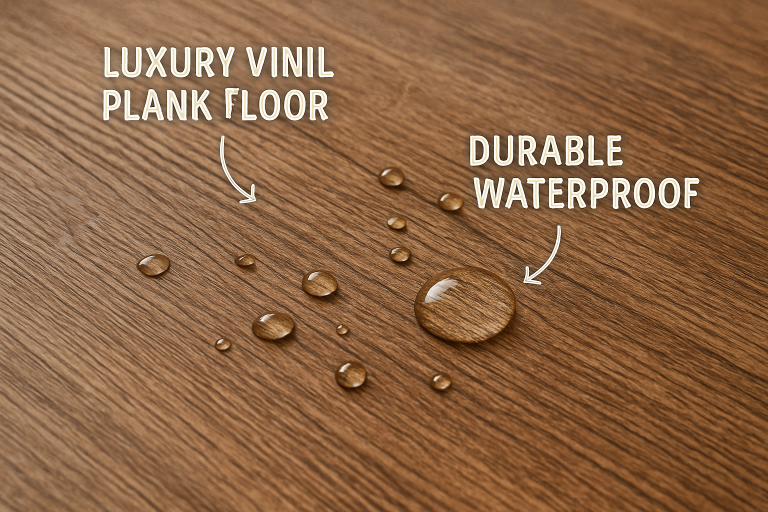
One of the biggest advantages of premium LVP is its formidable water resistance. This feature now rivals or exceeds that of other hard-surface floors, such as laminate and some types of engineered wood. Quality LVP products are frequently marketed as 100% waterproof, meaning that spills, splatters, and even seasonal moisture fluctuations will not cause them to swell, warp,
delaminate, or lose their visual appeal. This makes LVP an ideal choice for moisture-prone spaces, such as kitchens, bathrooms, laundry rooms, mudrooms, and finished basements—locations where natural hardwood might otherwise be ruled out. Water-resistant designs also prevent problems like cupping, mold, or mildew growth under the surface, which protects both the air quality in your home and its value. As a result, LVP remains a top contender for families, pet owners, and anyone seeking a resilient, hassle-free flooring option that can withstand the real-life challenges of modern living.
Environmental Certifications
As more consumers strive to create a healthy and sustainable home environment, the importance of environmental certifications in flooring products has increased. When shopping for LVP, check for independent third-party environmental certifications such as FloorScore or GreenGuard, which verify that products release minimal amounts of volatile organic compounds (VOCs) that could harm indoor air quality. These certifications signify a commitment to both personal health and broader environmental responsibility, providing you with greater peace of mind that your flooring selection supports a safer, greener living or working space. Look for labels and documentation in retailer product descriptions, and don’t hesitate to request testing data or manufacturer transparency if this is a key value for you. In addition to health, some LVP manufacturers have begun using recycled content or more eco-friendly production methods, further enhancing the appeal for conscientious buyers.
By prioritizing crucial factors such as wear layer thickness, core construction, advanced texturing, suitable installation methods, waterproofing properties, and eco-friendly certification, homeowners and business owners alike can confidently select an LVP product that blends lasting beauty, practicality, and peace of mind for the years—and footsteps—ahead.