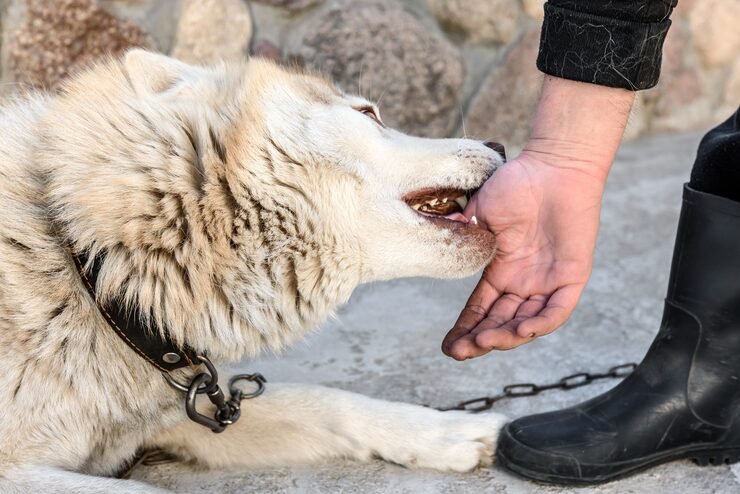
It happens in an instant. A dog lunges, teeth break skin, and the shock hits before the pain does. Whether it’s a loose dog in a park or even a family friend’s animal, dog bites can leave lasting scars (physical and emotional).
Across California, thousands of people are treated for dog bites each year. In fact, California consistently ranks among the top states for reported dog attacks, according to the U.S. Postal Service and state health data.
Children and delivery workers are especially vulnerable, but anyone can become a victim at the wrong moment. The aftermath often includes medical bills, missed work, anxiety, and the uncertainty of what to do next.
That’s why it’s so important to understand how California handles dog bite cases. The state’s laws are built to protect victims and hold negligent owners accountable, and knowing how to file a dog bite injury claim can make a real difference in how quickly and fully you recover.
In this guide, we’ll break down what every California resident should know about animal attack liability and the steps to take after an incident.
California Dog Attack Law: Strict Liability Explained
California has one of the most victim-friendly legal frameworks for dog attacks. Under the California dog attack law (Civil Code Section 3342), owners are held strictly liable when their dog bites someone.
In other words, victims don’t need to prove negligence. If the dog bite occurred in a public place or while the victim was lawfully on private property, the owner is responsible for the damages, even if the dog had never shown aggression before.
This “strict liability” rule sets California apart from many states that require proof that the owner knew the animal was dangerous. However, there are exceptions, such as bites involving police dogs in the line of duty or trespassers on private property.
Dog owners are also expected to take reasonable steps to prevent future attacks, such as properly restraining their pets, warning visitors, and following local leash laws.
How to File a Dog Bite Injury Claim
Did you know that dogs are actually considered the third-deadliest creature on Earth? Although not all bites are serious, many are, and they should be treated accordingly.
After a dog attack, acting quickly can make a big difference in your recovery and your case. Here’s how victims can protect their health and legal rights step by step:
Step 1: Seek Medical Care Immediately
Even minor bites can lead to infection or nerve damage if not treated right away. Seek medical attention as soon as possible, and follow all doctor instructions for wound care and follow-up visits.
Step 2: Report the Incident
Notify local animal control or law enforcement so there’s an official record of the attack. This documentation helps establish when and where the bite occurred and whether the dog has a history of aggression.
Step 3: Document Everything
Take clear photos of your injuries, the dog, and the location of the attack. Gather witness statements and the dog owner’s contact information. Detailed evidence strengthens your dog bite injury claim.
Step 4: Consult an Attorney
An experienced dog bite attorney will guide you through the claims process, handle communications with insurers, and help you pursue the compensation you deserve.
Understanding Animal Attack Liability
While dog owners are most often responsible, animal attack liability can extend beyond them. In some cases, landlords, property managers, or pet sitters can be held accountable, especially if they knew the dog posed a threat and failed to act.
Courts may also evaluate details such as the dog’s breed, any prior history of aggression, and whether the owner failed to comply with local animal control laws. Identifying who is legally responsible matters because it determines which parties can be held financially accountable for the victim’s injuries and related losses.
What to Expect in a Dog Bite Settlement
Victims of dog attacks may be entitled to compensation that reflects both their physical injuries and the broader impact on their lives. A dog bite settlement can cover a wide range of damages, including:
- Medical expenses: Emergency treatment, surgery, follow-up care, medications, and physical therapy.
- Lost wages or diminished earning capacity: Income lost during recovery or long-term effects that limit a person’s ability to work.
- Pain and suffering: Physical pain, ongoing discomfort, and emotional distress caused by the attack.
- Scarring and disfigurement: Visible injuries or permanent changes that affect appearance and confidence.
- Psychological trauma: Anxiety, post-traumatic stress, or fear of dogs that may linger long after physical wounds heal.
The value of a settlement depends on multiple factors, such as the severity of the injuries, the clarity of liability, and the amount of available insurance coverage. Documentation also plays a major role, as medical records, photographs, witness statements, and digital evidence like surveillance footage or 911 recordings can strengthen a claim.
Insurance companies often seek to resolve these cases quickly and for as little as possible. Having a knowledgeable attorney can help level the playing field and make sure that the final settlement accounts for both current and future needs related to the injury.
The Role of a Pet Injury Attorney
Working with a pet injury attorney can make all the difference in recovering full compensation. These lawyers understand California’s strict liability laws and know how to investigate attacks, identify all responsible parties, and build strong cases backed by evidence.
An attorney will also handle communications with insurers and represent clients in court if negotiations fail. Many dog bite lawyers have secured significant settlements for victims who might otherwise have struggled to recover fair compensation on their own.
In Summary: Your Rights After a Dog Bite
Dog bites can have lasting effects, but fortunately, our state law gives victims a clear path to pursue recovery. Understanding your rights under California dog attack law and taking timely action after an incident can make a meaningful difference in both physical and financial healing.
If you or someone close to you has been bitten, document the injuries, report the attack, and consider speaking with a qualified pet injury attorney to learn about your legal options.